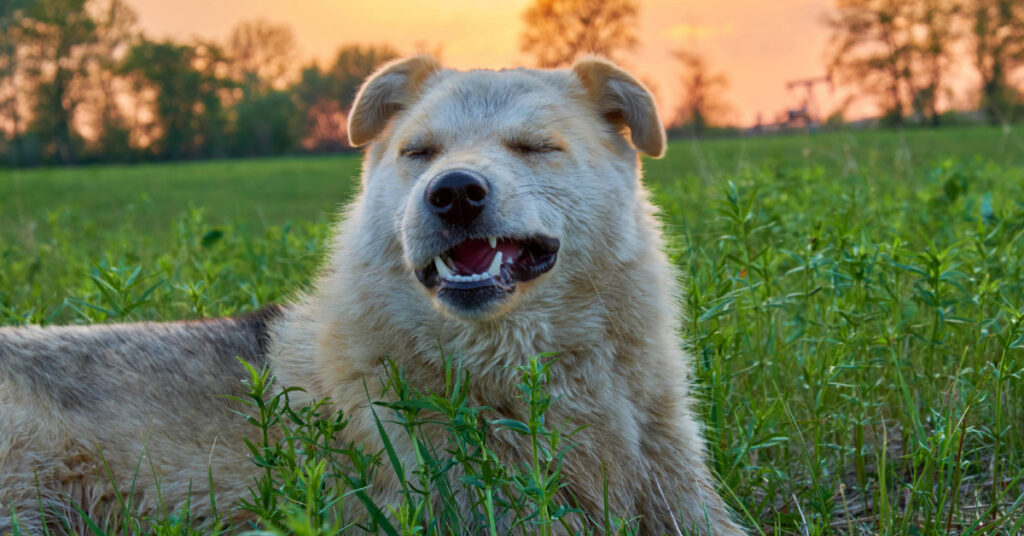
A single sneeze from your dog is usually nothing more than a funny moment worth a laugh. But when your dog keeps sneezing, day after day or in rapid-fire bursts, it’s natural to start wondering whether something is wrong. Dog sneezing is actually quite common, and in many cases, it’s completely harmless. That said, frequent or unusual sneezing in dogs can sometimes point to an underlying issue that deserves a closer look. This guide breaks down the most common causes of dog sneezing, the difference between normal and concerning sneezes, and when a veterinary visit is the right next step.
What Is Normal Dog Sneezing?
Dogs sneeze for many of the same reasons people do. A normal dog sneeze is the body’s way of clearing the nasal passages of irritants like dust, pollen, or a strong smell. Occasional sneezing is perfectly healthy and expected. Dogs also sneeze during play, a behavior known as a “play sneeze,” which signals that the roughhousing is all in good fun. If your dog sneezes a few times a day with no other symptoms, that’s likely nothing to worry about. However, if your dog keeps sneezing persistently, or if sneezing is paired with other symptoms, it’s worth taking a closer look.
What Are Some Common Causes of Dog Sneezing?
There is a wide range of causes, from environmental irritants to infections, and each has different implications for your dog’s health.
Environmental Irritants and Allergens
Dust, pollen, mold spores, cigarette smoke, cleaning products, air fresheners, and perfumes can all trigger sneezing in dogs. Broomfield, CO experiences significant seasonal pollen changes, and dogs with environmental allergies may sneeze more frequently during certain times of year. If your dog sneezes more when spending time outdoors in spring and summer, or after you’ve used a new cleaning product indoors, an environmental trigger is likely at play.
Something Stuck in the Nose
Dogs love to sniff everything, and occasionally something gets lodged in a nostril. A piece of grass, a seed, a small piece of debris, or even an insect can find its way into your dog’s nasal passage and trigger intense, repetitive sneezing as the dog tries to expel it. If your dog starts sneezing suddenly and forcefully after being outside, a foreign object is a very real possibility. This type of sneezing is typically persistent and urgent-seeming. If it doesn’t resolve on its own within minutes, veterinary attention is recommended, as a trapped foreign body can cause significant discomfort and potential injury.
Upper Respiratory Infections
Just like people catch colds, dogs can develop upper respiratory infections. These infections can be caused by viruses, bacteria, or a combination of both. Dog sneezing associated with a respiratory infection is often accompanied by nasal discharge, coughing, lethargy, and sometimes a mild fever. Bordetella (kennel cough) is one of the most common respiratory infections in dogs and spreads easily in places where dogs interact, such as boarding facilities, dog parks, and grooming salons. Dogs with respiratory infections typically need veterinary care and may benefit from supportive treatment.
Nasal Polyps or Tumors
In older dogs, chronic sneezing can sometimes be related to the growth of nasal polyps or, less commonly, nasal tumors. These growths develop inside the nasal passages and can obstruct normal airflow, leading to persistent sneezing, snoring, difficulty breathing through the nose, and bloody or unusual nasal discharge. This cause of dog sneezing is less common than the others but is worth investigating in any dog that develops new, persistent sneezing as they age, especially if it’s accompanied by changes in the shape of the nose or face.
Dental Problems
This one often surprises pet owners: dental disease can cause sneezing in dogs. The roots of the upper teeth in dogs sit close to the nasal passages, and an infected or abscessed tooth can push bacteria into the nasal cavity, triggering inflammation and sneezing. If your dog keeps sneezing and also shows signs of mouth pain, swollen gums, reluctance to eat hard food, or bad breath, a dental evaluation should be part of the veterinary workup.
Symptoms That Make Dog Sneezing a Concern
Not all sneezing is the same. The following signs, when occurring alongside sneezing, indicate that a veterinary evaluation is important:
- Nasal discharge that is yellow, green, bloody, or unusually thick
- Sneezing that persists for more than a day or two without improvement
- Pawing at the nose or face, suggesting discomfort
- Loss of appetite or noticeable decrease in energy
- Coughing, wheezing, or labored breathing alongside sneezing
- Swelling around the nose or eyes
- Nosebleeds or blood in the discharge
Any of these symptoms alongside frequent sneezing warrants a call to your veterinarian. Early evaluation is always better than waiting to see if things resolve.
Breeds More Prone to Sneezing
Some dog breeds sneeze more frequently than others due to the shape of their anatomy. Brachycephalic breeds have shortened nasal passages and skull structures that make them more susceptible to sneezing, snoring, and reverse sneezing. These breeds include:
- Bulldogs (English and French)
- Pugs
- Boston Terriers
- Shih Tzus
- Cavalier King Charles Spaniels
- Boxers
If you own one of these breeds, some sneezing and snorting is par for the course. That said, any significant change in your dog’s sneezing pattern should still be evaluated to rule out any underlying problem.
Steps Veterinarians Take to Evaluate Sneezing in Dogs
When you bring a sneezing dog to Broomfield Veterinary Hospital, our veterinary team will start with a thorough physical exam, including a close look at the nasal passages, teeth, lymph nodes, and throat. We will ask about the onset of sneezing, its frequency, any accompanying symptoms, recent exposures, and your dog’s vaccination history. Depending on what the exam reveals, we may recommend additional diagnostics such as nasal cytology, bloodwork, dental X-rays, or imaging of the nasal passages. This information helps pinpoint the cause of the dog sneezing and guides appropriate treatment.
From the First Sneeze to the Right Answer
Dog sneezing is often a benign and temporary issue, but it can occasionally be a signal that something more serious is going on. Paying attention to how often your dog sneezes, what the discharge looks like, and what other symptoms are present is the best way to know when to call your vet. At Broomfield Veterinary Hospital, we take sneezing seriously when you do. Our team is ready to help Broomfield, CO pet owners get answers quickly and take the best possible care of their dogs. If your dog keeps sneezing and you’re not sure why, give us a call at 303-466-1764 or book an appointment online.