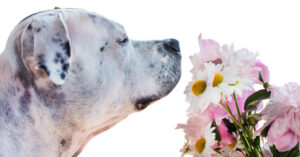

A dog runny nose is the body’s way of signaling that something is going on, but what that something is can range from seasonal allergies to a serious infection. The color, consistency, and duration of your dog’s nasal discharge are the real clues, and learning to read them can tell you whether you’re dealing with a minor irritant or a condition that needs veterinary attention. A wet nose is normal; discharge that is thick, discolored, bloody, or persistent is not. In this blog, we’ll break down every common cause of a dog runny nose, show you exactly what different types of discharge mean, and give you a clear, confident answer to the question every pet owner eventually asks: when is it time to worry?
Is a Dog Runny Nose Normal?
It depends. Dogs do naturally have moist noses, and a small amount of clear, watery discharge is often completely normal. This can be a result of normal nasal drainage, temperature changes, or even sniffing around in dusty or pollen-heavy environments. However, a dog runny nose that produces thick, colored, persistent, or one-sided discharge is not typical and should be evaluated by your veterinarian. Paying attention to what the discharge looks like and what other symptoms are present makes a significant difference in determining whether to monitor the situation or act quickly.
What the Color of Nasal Discharge Tells You
The color and consistency of nasal discharge from a dog runny nose is one of the most useful pieces of information for assessing the situation. Here’s what different types of discharge may indicate:
- Clear and watery — Often normal, especially after outdoor activity or in response to an irritant. May also indicate early-stage allergies or a mild viral infection.
- Thick and white or gray — Can indicate a more established viral or bacterial infection, or chronic inflammation of the nasal passages.
- Yellow or green — A strong indicator of bacterial infection. Yellow-green discharge from a dog’s nose is a reliable sign that veterinary care is needed.
- Bloody or rust-colored — Blood in nasal discharge can indicate a foreign body in the nasal passage, trauma, a fungal infection, polyps, or, in older dogs, nasal tumors. This warrants prompt veterinary attention.
- One-sided discharge — Discharge from only one nostril is particularly worth noting, as it often points to a localized issue such as a foreign object, infection, or growth on that side of the nasal cavity.
What Are Common Causes of a Dog Runny Nose?
There are many possible reasons a dog develops nasal discharge. Some are straightforward and temporary, while others require diagnosis and veterinary care to resolve. Understanding the range of possibilities helps you better assess what your dog may be experiencing.
Allergies
Environmental allergies are one of the most common causes of a dog runny nose. Dogs can be allergic to pollen, mold, dust mites, and a variety of other airborne irritants. In Broomfield, CO, seasonal changes bring fluctuations in pollen levels that can significantly affect dogs with allergies. Allergy-related nasal discharge in dogs is usually clear and watery and may be accompanied by itchy skin, red eyes, and frequent sneezing. Your veterinarian can help determine whether allergies are the root cause and discuss appropriate management options.
Upper Respiratory Infections
Respiratory infections are a frequent cause of a dog runny nose. These infections can be caused by viruses such as canine distemper or canine influenza, or by bacteria such as Bordetella bronchiseptica, the primary cause of kennel cough. Dogs with respiratory infections often develop thick, discolored nasal discharge alongside coughing, sneezing, lethargy, and sometimes a reduced appetite. Infections that spread through contact with other dogs can affect even vaccinated pets, though vaccination significantly reduces the severity of illness. Veterinary care is important for managing these infections effectively.
Foreign Objects in the Nasal Passage
A dog that suddenly develops a runny nose on one side, especially after outdoor activity, may have inhaled a foreign object. Grass seeds, small sticks, foxtail awns, and other debris can lodge in the nasal passage and cause intense irritation, sneezing, and discharge. A nasal foreign body is uncomfortable and can lead to infection if not removed. This situation requires a veterinary visit, as the foreign object typically needs to be located and professionally removed.
Fungal Infections
Fungal infections such as Aspergillosis can affect dogs and cause chronic nasal discharge, nosebleeds, and visible changes around the nose over time. These infections typically develop from inhaling fungal spores in the environment and can cause significant damage to nasal tissue if left untreated. Aspergillosis tends to produce discharge from one or both nostrils and is often accompanied by sneezing and changes in the appearance of the nasal area. Diagnosis requires specific testing, and treatment involves antifungal therapy under veterinary supervision.
Nasal Polyps or Tumors
Growths within the nasal passage, including polyps and tumors, can obstruct airflow and cause persistent nasal discharge in dogs. These are more commonly seen in middle-aged to older dogs and are often accompanied by noisy breathing, snoring, facial swelling, or a change in the symmetry of the nose. A runny nose that does not respond to other treatments in an older dog is an important reason to seek veterinary evaluation for possible nasal masses.
Dental Disease
Dental disease is an underappreciated cause of a dog’s runny nose. The roots of the upper back teeth sit just below the nasal cavity, and when an abscessed or infected tooth creates an oronasal fistula (an opening between the mouth and nasal cavity), it can lead to persistent nasal discharge. This type of discharge is often thick and may be accompanied by a noticeable bad odor. Dogs with a runny nose alongside reluctance to eat hard food, pawing at the mouth, or facial swelling near the muzzle should be evaluated for dental disease as well as nasal problems.
When Should You Be Worried About a Dog Runny Nose?
Many dog owners wonder how long to wait before calling your vet about a runny nose. Here are clear signs that a dog runny nose needs professional attention:
- The discharge is yellow, green, or contains blood
- Discharge is coming from only one nostril
- Your dog is sneezing frequently alongside the runny nose
- Your dog seems lethargic, is not eating, or is having trouble breathing
- The runny nose has lasted more than a few days without improving
- There is swelling around the nose, face, or eyes
- Your dog is pawing at their face or seems in discomfort
Any of these signs, individually or in combination, should prompt a call to Broomfield Veterinary Hospital. Waiting too long to address nasal discharge can allow an underlying condition to worsen significantly.
How Is the Cause of a Dog Runny Nose Determined?
Diagnosing the cause of nasal discharge in dogs involves a thorough physical exam, a detailed history of symptoms, and often additional testing. Your veterinarian may examine the nasal passages directly, evaluate the teeth and gums, palpate the lymph nodes, and observe the dog’s breathing patterns. Depending on what they find, they may recommend bloodwork, cultures of the nasal discharge, rhinoscopy (a camera examination of the nasal passages), dental X-rays, or imaging such as CT or MRI to get a clearer picture of what’s happening inside the nasal cavity. Getting an accurate diagnosis is the key to choosing the right treatment path for your dog.
A Clearer Picture of Your Dog’s Health Starts Here
A dog runny nose is rarely something to panic about, but it’s also rarely something to completely ignore. The details matter: what the discharge looks like, how long it’s been present, which nostril is affected, and what other symptoms accompany it. At Broomfield Veterinary Hospital, our team is experienced in evaluating nasal and respiratory conditions in dogs and will work with you to get to the root of the problem. If your dog has a runny nose that concerns you, call 303-466-1764 or book an appointment online today. We’re proud to serve pet owners throughout Broomfield, CO and the surrounding communities.