If you live with a cat, you’ve almost certainly experienced the familiar sound of a cat hacking up a hairball. While it’s one of the more unpleasant parts of cat ownership, cat hairballs are a normal part of life for most felines. A hairball, or trichobezoar, forms when loose fur that a cat ingests while grooming accumulates in the stomach and eventually gets expelled through the mouth rather than passing through the digestive tract. Most of the time, an occasional hairball is nothing to worry about. But how often is too often? And when does a cat hairball become a sign of something more serious? This blog answers those questions and provides a clear understanding of what’s normal, what’s not, and when your cat’s hairball situation warrants a call to your vet.
Why Do Cats Get Hairballs?
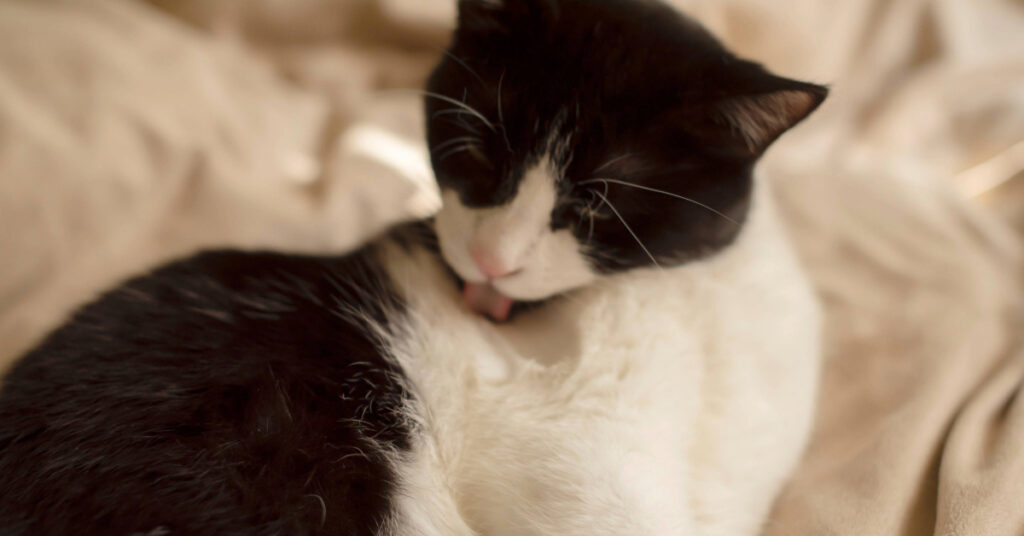
Cats are meticulous groomers. They spend a significant portion of their waking hours cleaning themselves, and in the process, they inevitably swallow a lot of fur. Their tongues are covered in tiny hook-shaped papillae that are designed to remove loose and dead fur from the coat. The downside is that these same hooks trap the fur and pull it into the mouth, where it gets swallowed. Most ingested fur passes through the digestive system without issue. However, some fur accumulates in the stomach and forms a mass that the cat eventually vomits up as a cat hairball, typically in a tubular shape due to its passage through the esophagus.
How Often Is It Normal for a Cat to Have Hairballs?
Cat hairball frequency varies from cat to cat, but for most healthy adult cats, producing one to two hairballs per month is considered within the normal range. Some cats go longer between hairballs, while others may produce them more frequently. Long-haired breeds like Maine Coons, Persians, and Ragdolls tend to have hairballs more often because they have significantly more fur to ingest during grooming. Similarly, cats that groom excessively due to stress, allergies, or skin conditions may develop hairballs more frequently than average.
If your cat is producing more than two or three hairballs per month, or if the frequency has increased noticeably without a clear explanation, it’s worth talking to your veterinarian. A sudden increase in hairball frequency can indicate a change in coat health, a gastrointestinal issue, or compulsive grooming behavior that warrants attention.
What Does a Normal Cat Hairball Look Like?
A typical cat hairball is an elongated, tube-like mass of compacted fur, often brownish or grayish in color, and typically coated in digestive fluid or mucus. Its shape is the result of passing through the narrow esophagus. It’s usually not round or ball-shaped despite the name. A small amount of digestive fluid or bile alongside the hairball is also normal.
Symptoms That Come With Cat Hairballs
Before a cat expels a hairball, it typically goes through a retching, gagging, or hacking phase that can sound alarming if you’ve never heard it before. This process usually only lasts a minute or two and ends with the hairball being vomited up. Common signs that your cat is about to produce a hairball include:
- Retching or gagging sounds that come and go in short bursts
- Hunched posture and extended neck during the retching phase
- Occasional dry heaving that produces nothing
- Mild lethargy or discomfort just before and after the hairball is expelled
These symptoms, when they resolve after the hairball is expelled, are considered normal. The concern arises when these symptoms persist without a hairball being produced, or when additional worrying signs appear alongside them.
When Cat Hairball Symptoms Become a Warning Sign
Not every episode of cat gagging or retching is a routine hairball. There are situations where similar-looking symptoms may indicate a more serious health problem. Knowing the difference between a normal hairball and a potential medical emergency is essential for cat owners.
Gastrointestinal Obstruction
In some cases, a cat hairball doesn’t pass through the stomach or get vomited up successfully. Instead, it can cause a partial or complete gastrointestinal obstruction. This is a serious and potentially life-threatening condition. A cat with an intestinal obstruction may retch repeatedly without producing anything, stop eating, become lethargic, show signs of abdominal pain, or develop constipation. These symptoms require immediate veterinary attention. Do not wait to see if the situation resolves on its own.
Inflammatory Bowel Disease
Cats with inflammatory bowel disease (IBD) often vomit more frequently than healthy cats, and what looks like a hairball episode may actually be IBD-related vomiting. IBD can also affect the motility of the digestive tract, which makes it harder for ingested fur to pass normally and increases hairball formation. A cat that seems to have frequent cat hairballs alongside chronic vomiting, weight loss, or changes in appetite or stool quality should be evaluated by a veterinarian.
Excessive Grooming and Skin Conditions
When cats groom excessively due to stress, anxiety, allergies, or skin irritation, they ingest far more fur than typical, which significantly increases their cat hairball frequency. If your cat seems to be constantly grooming, has thinning or uneven fur, or is developing bald patches alongside an increase in hairballs, a veterinary evaluation is warranted. Addressing the underlying cause of the excessive grooming can naturally reduce hairball frequency.
When to Call Your Vet About Cat Hairballs
Reach out to Broomfield Veterinary Hospital if your cat is experiencing any of the following:
- Repeated retching or gagging that doesn’t produce a hairball within a day or two
- Hairballs occurring more than two to three times per month
- Loss of appetite lasting more than 24 to 48 hours
- Lethargy, hunched posture, or signs of abdominal pain
- Constipation or diarrhea occurring alongside increased vomiting
- Blood in vomit or stool
- Noticeable weight loss
- Dramatic changes in grooming habits or coat quality
These signs, especially in combination, suggest that something beyond a routine hairball may be affecting your cat’s health. Prompt veterinary care leads to better outcomes in nearly every case.
Breeds Most Prone to Hairballs
While any cat can develop hairballs, certain breeds are significantly more prone to them than others due to coat length, texture, and grooming behavior. Long-haired and heavy-coated breeds shed more fur, which means more fur gets ingested during grooming sessions. Breeds with notably high hairball frequency include:
- Maine Coons — Known for their thick, semi-long coats that shed heavily year-round.
- Persians — Their long, dense coats require intensive grooming and shed significantly.
- Ragdolls — Semi-long fur that mats and sheds, contributing to higher hairball frequency.
- Norwegian Forest Cats — Thick double coats that shed in large quantities, especially seasonally.
- British Shorthairs — Dense undercoats that shed more than their short outer coat suggests.
How Are Hairball Problems Evaluated?
When cat hairball frequency becomes a concern, your veterinarian will perform a thorough physical exam and take a detailed history of your cat’s symptoms. This typically includes questions about the frequency and appearance of hairballs, your cat’s diet, grooming habits, activity level, and any changes in behavior. Depending on what the exam reveals, additional diagnostics may include bloodwork, X-rays, or an abdominal ultrasound to look for underlying gastrointestinal conditions or obstructions. Identifying whether hairballs are a standalone issue or a symptom of something else is critical to providing the right care.
What Cat Hairballs Are Really Telling You
An occasional cat hairball is a normal part of life with a feline companion. But hairballs that are frequent, persistent, or accompanied by worrying symptoms deserve a closer look. Paying attention to patterns, changes, and additional symptoms gives you and your veterinarian the information needed to keep your cat healthy and comfortable. At Broomfield Veterinary Hospital in Broomfield, CO, our team can help you understand what’s normal for your cat and what requires veterinary care. If your cat’s hairball situation has you concerned, call 303-466-1764 or book an appointment online today!