Dog bad breath usually comes down to one thing: a buildup of bacteria in your dog’s mouth, most often caused by plaque and tartar along the gumline. While a little bit of “dog breath” is normal, persistent or unusually strong dog bad breath is your pup’s way of telling you something is going on beneath the surface. At Broomfield Veterinary Hospital, we see dog bad breath come up regularly, and pet owners are often surprised to learn just how much it can reveal about their dog’s overall health.
If you’ve been wrinkling your nose every time your dog gives you a kiss, you’re not alone. Let’s walk through what actually causes dog bad breath, when it’s worth a vet visit, and what you can expect if you bring your dog in for an exam.
Why Does My Dog Have Bad Breath?
Dog bad breath, also called canine halitosis, almost always starts in the mouth. When food particles mix with saliva, they form a sticky film called plaque. Left alone, plaque hardens into tartar, and both plaque and tartar provide the perfect environment for odor-causing bacteria to thrive. This is the single most common reason dogs develop bad breath, and it affects dogs of every age, breed, and size.
Dental Disease and Dog Bad Breath
By the time many dogs are three years old, they already show signs of dental disease, and dog bad breath is often the very first symptom pet owners notice. As tartar builds up under the gumline, it can lead to gingivitis, which produces a distinctly unpleasant odor. If gum disease progresses without treatment, the smell tends to get stronger, and other symptoms like bleeding gums or loose teeth may follow.
Diet and Chewing Habits
What your dog eats and chews can also contribute to dog bad breath. Dogs that get into trash, eat feces (a behavior called coprophagia), or chew on non-food items can develop temporary bad breath from whatever they’ve ingested. Wet food tends to stick to teeth more than dry kibble, which can accelerate plaque formation in some dogs.
Underlying Health Conditions
While most dog bad breath traces back to the mouth, it can occasionally point to something happening elsewhere in the body. Kidney disease, diabetes, and gastrointestinal issues can all produce distinct breath odors. This is one reason our veterinarians always ask detailed questions about a dog’s breath when something seems off during a wellness exam.
Is Dog Bad Breath Ever Normal?
A mild, faint odor after your dog eats is generally nothing to worry about. However, dog bad breath that is strong, sudden, or paired with other symptoms deserves attention. Here’s how to tell the difference between everyday dog breath and a warning sign:
- Mild and fading: A faint smell that goes away shortly after eating or drinking is usually harmless.
- Strong and persistent: Breath that smells foul day after day often signals dental disease or infection.
- Sweet or fruity: This unusual scent can be associated with diabetes and warrants a vet visit.
- Ammonia-like: A urine-like odor on the breath can be linked to kidney problems.
When Should I Take My Dog to the Vet for Bad Breath?
If your dog’s bad breath has changed noticeably, lasted more than a few days, or is accompanied by other symptoms, it’s time to schedule an appointment. Our team at Broomfield Veterinary Hospital recommends bringing your dog in if you notice any of the following alongside the odor:
- Red, swollen, or bleeding gums
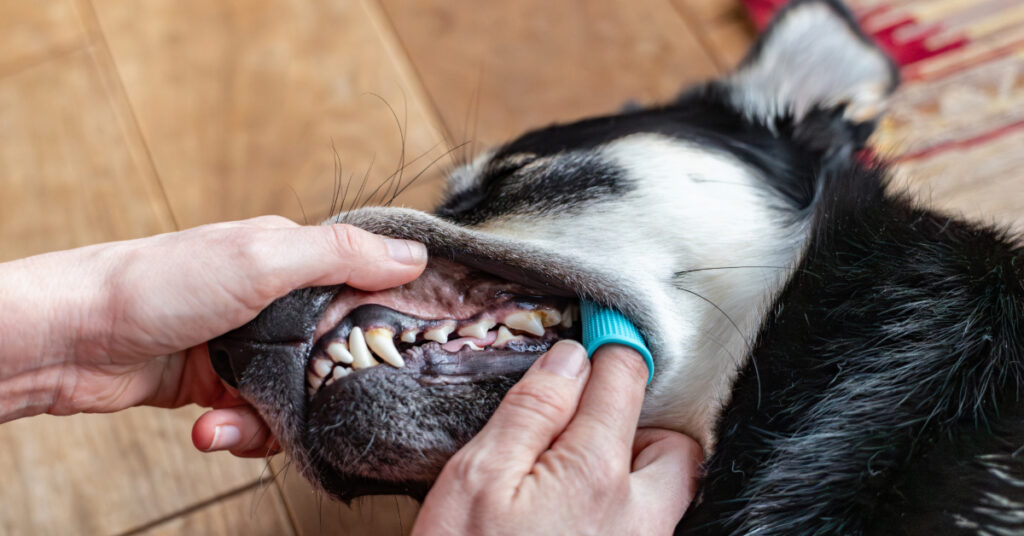
- Visible tartar buildup or discolored teeth
- Difficulty chewing or dropping food while eating
- Excessive drooling
- Loss of appetite or noticeable weight loss
These signs, especially when combined with dog bad breath, can point to dental disease that has progressed beyond what a toothbrush alone can fix.
What Happens During a Dental Exam
During an appointment focused on dog bad breath, one of our veterinarians will examine your dog’s teeth, gums, and tongue, and take a full health history. Depending on what they find, they may recommend a professional dental cleaning performed under anesthesia, which allows for a thorough evaluation below the gumline where most dental disease actually hides. X-rays are often part of this process, since a large percentage of dental disease occurs beneath the surface where the naked eye can’t see it.
How Can I Help Prevent Dog Bad Breath at Home?
Prevention plays a major role in keeping dog bad breath under control between veterinary visits. Consistency matters more than intensity here, small daily habits add up over time.
- Brush your dog’s teeth regularly using a toothpaste made specifically for dogs
- Offer dental chews or treats that are designed to reduce plaque and tartar
- Schedule routine dental checkups so problems are caught early
- Provide fresh water throughout the day to support healthy saliva production
Many pet owners tell our veterinarians they didn’t realize how manageable dog bad breath could be once a daily routine was in place. Even a few minutes of brushing a few times a week can make a noticeable difference over several months.
Does Breed or Age Affect Dog Bad Breath?
Yes, both play a role. Smaller breeds and dogs with crowded teeth, such as Yorkshire Terriers, Dachshunds, and Chihuahuas, tend to develop tartar more quickly because their teeth sit closer together. Senior dogs are also more prone to dog bad breath simply because dental disease is cumulative and tends to worsen with age if it isn’t addressed. Puppies, on the other hand, may have temporary bad breath related to teething, which usually resolves once their adult teeth come in.
What Broomfield Veterinary Hospital Recommends for Dog Bad Breath
Our veterinarians see dog bad breath as an early warning sign worth taking seriously, not something to simply mask with a breath spray or a mint-flavored treat. Because the mouth offers such a clear window into a dog’s overall health, we treat every conversation about bad breath as an opportunity to check in on your dog’s teeth, gums, and general wellness.
If your dog’s breath has you concerned, don’t wait for other symptoms to show up. Our team is happy to take a look, answer your questions, and help you build a dental care routine that fits your dog’s needs.
Your Dog’s Breath Can Tell You a Lot
Dog bad breath is common, but that doesn’t mean it should be ignored. Whether it’s a sign of early dental disease or something else going on internally, persistent bad breath is worth a conversation with your veterinarian. Reach out to Broomfield Veterinary Hospital to schedule an exam and give your dog’s smile, and breath, the attention it deserves. Call 303-466-1764 or book an appointment online today!