Dog sneezing is usually caused by something simple, like dust, pollen, or a tickle from sniffing too enthusiastically, but frequent or unusual sneezing can also point to allergies, an infection, or something stuck in the nasal passage. If your dog has been sneezing more than usual lately, you’re probably wondering whether it’s nothing or something worth watching. At Broomfield Veterinary Hospital, dog sneezing is a common topic in exam rooms, and most of the time, there’s a straightforward explanation.
What Causes Dog Sneezing?
Dog sneezing happens when something irritates the delicate lining of the nasal passages, triggering a reflex to clear it out. Because dogs explore the world nose-first, sneezing is a normal and frequent occurrence for most healthy dogs.
Irritants and Everyday Dog Sneezing
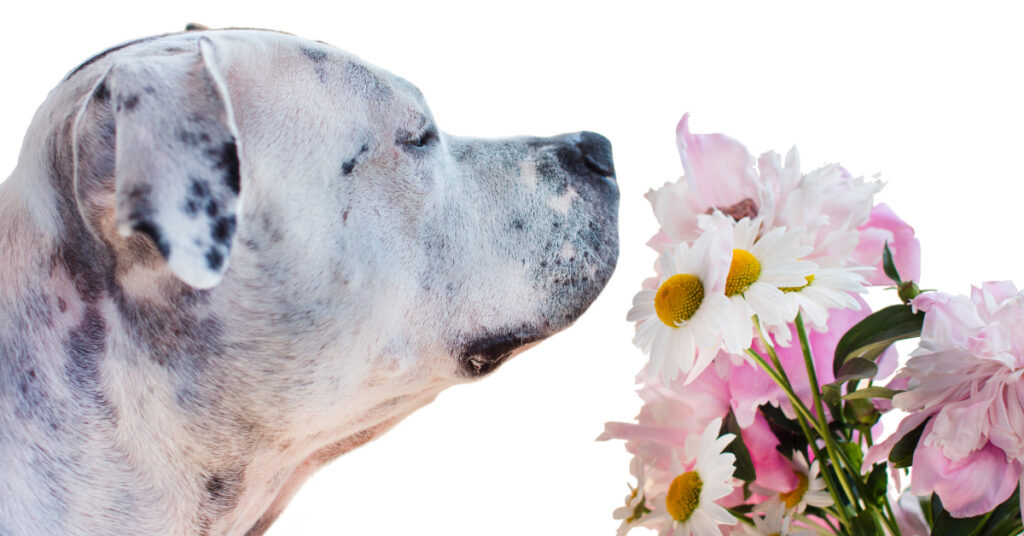
Dust, pollen, grass, perfume, cleaning products, and cigarette smoke are among the most common everyday triggers for dog sneezing. Dogs that spend time rolling in grass or sniffing along the ground are especially prone to this kind of occasional sneezing, which usually resolves within a few minutes and doesn’t require any treatment.
Allergies and Dog Sneezing
Just like people, dogs can develop seasonal or environmental allergies that cause repeated sneezing along with other symptoms like watery eyes or nasal discharge. Allergy-related dog sneezing tends to follow a pattern, worsening during certain seasons or after exposure to specific triggers like new bedding, cleaning products, or plants.
Nasal Infections
Bacterial, viral, or fungal infections in the nasal passages can also cause persistent dog sneezing, often accompanied by discharge that may be thick, discolored, or occasionally blood-tinged. These infections typically don’t resolve on their own and require veterinary treatment to clear up fully.
Foreign Objects in the Nose
Dogs are notorious for sniffing things they shouldn’t, and a blade of grass, seed, or small object lodged in the nasal passage can trigger sudden, intense, repeated dog sneezing. This type of sneezing often comes on abruptly and may be paired with pawing at the nose or visible discomfort.
Reverse Sneezing vs. Regular Dog Sneezing
Many pet owners mistake reverse sneezing for something more serious, though it’s a distinct and generally harmless phenomenon. Unlike regular dog sneezing, reverse sneezing involves rapid, snorting inhalations through the nose and can sound alarming the first time you witness it. It’s especially common in smaller breeds and brachycephalic dogs, and while it looks dramatic, it typically resolves on its own within a minute or two.
When Should I Worry About My Dog Sneezing?
Occasional dog sneezing tied to dust or a good roll in the grass is rarely cause for concern. However, certain patterns suggest it’s time to schedule a veterinary visit. Watch for:
- Frequent, repeated sneezing that doesn’t resolve after a few minutes
- Nasal discharge, especially if it’s thick, colored, or bloody
- Pawing at the nose or face, suggesting discomfort or an obstruction
- Sneezing paired with other symptoms, like lethargy, coughing, or appetite loss
Blood in the Nose and Dog Sneezing
Any dog sneezing that includes blood, even a small amount, warrants a prompt veterinary visit. This can indicate anything from a minor irritation to a foreign object, infection, or in rarer cases, a more serious underlying issue, and it’s not something to wait out at home.
How Is Dog Sneezing Diagnosed?
When you bring your dog in for evaluation, one of our veterinarians will examine the nose, mouth, and throat, ask about the pattern and duration of the sneezing, and check for discharge or signs of discomfort. Depending on the findings, additional diagnostics like imaging or a closer nasal exam may be recommended, particularly if a foreign object or chronic infection is suspected.
What Can I Do About My Dog’s Sneezing at Home?
For mild, occasional dog sneezing linked to dust or environmental irritants, a few simple changes can help reduce frequency:
- Keep floors and bedding free of dust and pet dander through regular cleaning
- Avoid using strong perfumes, air fresheners, or scented cleaning products near your dog
- Limit exposure to cigarette smoke in the home
- Rinse your dog’s face after walks through tall grass or pollen-heavy areas
These steps won’t stop sneezing caused by infection or an obstruction, but they can meaningfully reduce irritation-based dog sneezing over time.
Are Certain Breeds More Prone to Sneezing?
Yes. Brachycephalic breeds, like Pugs, Bulldogs, and Boston Terriers, tend to sneeze and reverse sneeze more often due to their compressed nasal passages. Dogs with long snouts, like Collies and Greyhounds, may be more prone to nasal irritation simply because they have more surface area exposed to environmental triggers during sniffing.
Broomfield Veterinary Hospital’s Approach to Dog Sneezing
Our veterinarians treat dog sneezing as a symptom worth listening to, even when it turns out to be nothing serious. Because sneezing can range from a harmless reflex to a sign of infection or obstruction, we take a careful history and physical exam approach to figure out what’s actually going on with your dog.
Making Sense of Your Dog’s Sneezing
Dog sneezing is usually nothing more than a normal reflex to dust, pollen, or an overly enthusiastic sniff. But frequent, sudden, or symptom-heavy sneezing deserves a closer look. If your dog’s sneezing has you concerned, reach out to Broomfield Veterinary Hospital to schedule an exam and get some peace of mind.