Dehydration in cats happens when your cat loses more fluid than they take in, and it can range from mild to life-threatening depending on the cause and how quickly it’s addressed. Cats are notoriously private about hiding illness, which means cat dehydration can sneak up on even the most attentive pet owner. At Broomfield Veterinary Hospital, we want owners to recognize the early signs of dehydration in cats so they can act before it becomes an emergency.
What Causes Dehydration in Cats?
Cat dehydration can stem from several different sources, and understanding the underlying cause is key to treating it effectively. Cats evolved as desert animals with a naturally low thirst drive, which already puts them at higher risk of dehydration compared to dogs.
Inadequate Water Intake
Some cats simply don’t drink enough water throughout the day. This is especially common in cats fed primarily dry kibble, since dry food contains very little moisture compared to wet food. Cats that dislike the taste, location, or freshness of their water may also drink less than they need, quietly setting the stage for dehydration.
Illness and Cat Dehydration
Many medical conditions increase fluid loss or reduce a cat’s desire to drink, making dehydration in cats a common secondary symptom rather than the primary problem. Conditions frequently linked to cat dehydration include:
- Chronic kidney disease, which impairs the body’s ability to conserve water
- Diabetes, which causes excessive urination and fluid loss
- Vomiting or diarrhea from gastrointestinal upset
- Fever, which increases the body’s fluid demands
Heat and Environmental Factors
Warm weather, poor ventilation, or limited access to fresh water can all accelerate dehydration in cats, particularly in senior cats or those with existing health conditions. Even indoor cats can become dehydrated during hot summer months if their water supply isn’t refreshed often enough.
What Are the Symptoms of Dehydration in Cats?
Recognizing dehydration in cats early makes a significant difference in how quickly and easily it can be treated. Watch for these common signs:
- Skin tenting: Gently lift the skin between your cat’s shoulder blades; if it doesn’t snap back quickly, dehydration may be present
- Dry or tacky gums: Healthy gums should feel moist and slippery, not sticky
- Lethargy: A dehydrated cat often seems unusually tired or uninterested in normal activities
- Sunken eyes: In more advanced cases, the eyes may appear noticeably sunken
- Reduced skin elasticity and appetite loss: Both often appear together as dehydration progresses
Is Dehydration in Cats an Emergency?
It depends on severity and cause. Mild dehydration in cats, caught early, is often manageable with encouragement to drink more and, if needed, a veterinary visit for subcutaneous fluids. However, dehydration linked to vomiting, diarrhea, lethargy, or an underlying illness like kidney disease can escalate quickly and should be treated as urgent. If your cat shows signs of dehydration along with repeated vomiting, refusal to eat or drink, or extreme lethargy, contact Broomfield Veterinary Hospital right away rather than waiting.
How Is Dehydration in Cats Diagnosed and Treated?
When you bring a dehydrated cat to our clinic, one of our veterinarians will perform a physical exam, check skin elasticity, gum moisture, and overall condition, and often recommend bloodwork to look for underlying causes such as kidney disease or diabetes. Treatment for dehydration in cats typically depends on severity:
- Mild cases: Encouraging fluid intake at home and monitoring closely
- Moderate cases: Subcutaneous fluids administered under the skin during a clinic visit
- Severe cases: Intravenous fluids and hospitalization to restore hydration safely
Because dehydration in cats can be a symptom of a larger issue, our veterinarians also work to identify and address the root cause rather than treating fluid loss alone.
How Can I Prevent Dehydration in Cats at Home?
Since cats naturally drink less than dogs, small adjustments at home can go a long way toward preventing dehydration in cats before it starts.
- Offer wet food regularly, since it contains significantly more moisture than dry kibble
- Provide multiple water stations around your home, cats often prefer choice
- Keep water bowls clean and refill them with fresh water daily
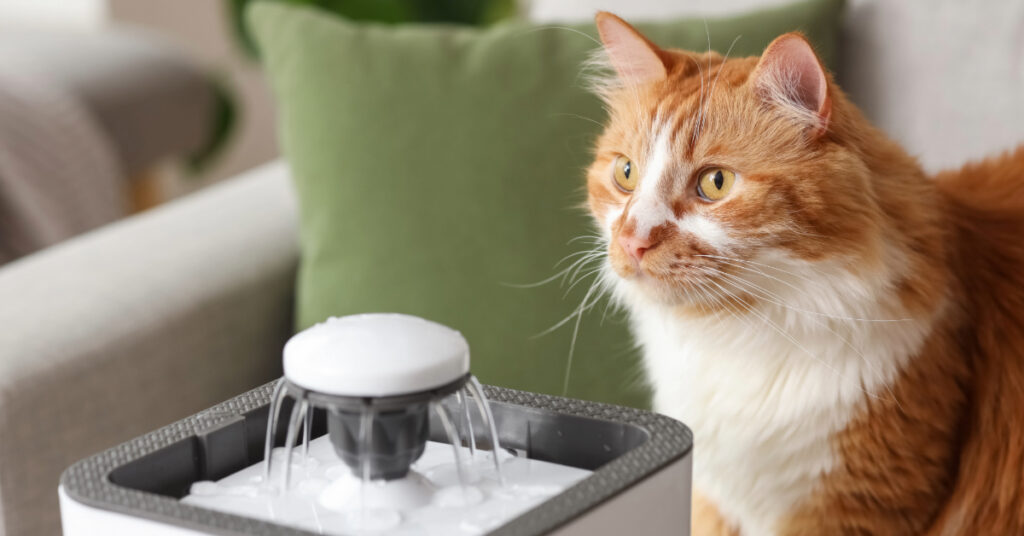
- Consider a pet water fountain, since many cats prefer moving water over standing water
Many owners find that simply switching to a fountain or adding a second water bowl noticeably improves how much their cat drinks.
Are Some Cats More Prone to Dehydration Than Others?
Yes. Senior cats, cats with chronic kidney disease, and cats recovering from illness or surgery are all at higher risk of dehydration in cats. Kittens can also become dehydrated quickly if they experience vomiting or diarrhea, since their smaller bodies have less fluid reserve to draw from. If your cat falls into one of these higher-risk groups, extra attention to water intake is especially important.
When to Contact Broomfield Veterinary Hospital About Cat Dehydration
If you notice signs of dehydration in cats, especially skin tenting, dry gums, or lethargy, don’t wait to see if it resolves on its own. Our veterinary team is equipped to assess hydration status quickly and start treatment before a mild issue becomes a serious one. Call us at 303-466-1764 or book an appointment online today.
Keeping Your Cat Properly Hydrated
Dehydration in cats is common but manageable when caught early. By understanding the warning signs and making small changes at home, like offering wet food and fresh water stations, you can help your cat stay properly hydrated year-round. If you’re concerned about your cat’s hydration, reach out to Broomfield Veterinary Hospital for guidance and an exam.