Coughing in cats can be unsettling for any pet owner. While an occasional cough might not seem like a big deal, repeated or persistent coughing can signal that something more serious is happening. If you’ve noticed your cat coughing and aren’t sure what to do, this blog will walk you through possible reasons, what it could mean for your pet, and when to reach out to your veterinarian. For cat parents in Broomfield, CO, the team at Broomfield Veterinary Hospital can provide clarity and compassionate care. Call 303-466-1764 or book an appointment online today if your cat needs attention.
Why Do Cats Cough?
Coughing in cats is a reflex, much like in humans. It happens when the body attempts to clear the airways of irritants, mucus, or foreign particles. However, while a single cough now and then may not raise alarms, frequent or ongoing cat coughing can point to an underlying health condition. Cats may cough due to minor irritants such as dust or mild seasonal changes, but coughing can also be linked to respiratory infections, asthma, allergies, or even heart conditions. Because the causes vary so widely, it’s important to pay attention to patterns and frequency. Cats are experts at hiding discomfort, so even subtle symptoms like occasional coughing should not be overlooked.
Common Causes of Cat Coughing
Understanding the most common reasons behind cat coughing can help you recognize when to call your veterinarian.
Respiratory Infections
Just like people, cats can catch respiratory infections that lead to coughing. Viral and bacterial infections may cause coughing, sneezing, nasal discharge, and lethargy. These illnesses are often contagious, particularly in multi-cat households or shelters.
Asthma in Cats
Feline asthma is one of the most frequent reasons for cat coughing. When a cat has asthma, their airways become inflamed and narrowed, making it difficult to breathe. Cats with asthma may cough, wheeze, or show labored breathing. Triggers can include pollen, smoke, or even household cleaners.
Allergies
Cats can develop allergies to environmental factors like dust, mold, or certain types of litter. These allergens may irritate the respiratory system and cause coughing. Unlike infections, allergies are often chronic and may come and go with the seasons.
Hairballs vs. Coughing
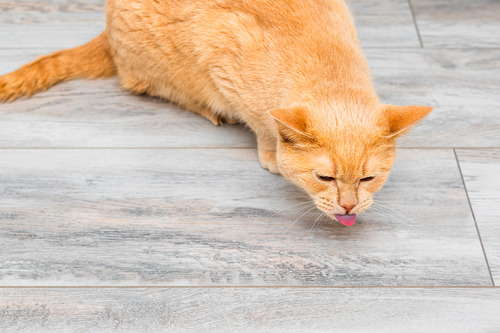
Many cat owners mistake hairball episodes for coughing. When expelling a hairball, cats often hunch over and make hacking noises that sound similar to a cough. However, true coughing usually comes from the chest rather than the throat. If your cat seems to cough without producing a hairball, it’s worth noting.
Heart Conditions
Although less common, some heart problems can lead to coughing in cats. Fluid buildup in or around the lungs can make breathing more difficult and trigger coughing. Because heart disease can be serious, any suspicion of it should lead to a veterinary visit.
When to Call Your Broomfield Vet About Cat Coughing
It can be difficult to know if cat coughing requires an urgent vet visit or if you can simply monitor your cat at home. In general, the more frequent and persistent the coughing, the more likely it signals a health issue.
Signs That Warrant Veterinary Care
- Coughing that occurs daily or multiple times a day
- Coughing accompanied by wheezing or noisy breathing
- Loss of appetite or energy
- Coughing along with nasal discharge, sneezing, or eye discharge
- Open-mouth breathing or obvious difficulty inhaling and exhaling
If you observe any of these symptoms, scheduling an appointment with Broomfield Veterinary Hospital is the safest choice. Call 303-466-1764 or book online today to make sure your cat gets proper attention.
What to Expect at the Vet for Cat Coughing
When you bring your cat in for coughing, your veterinarian will perform a thorough physical exam and may recommend additional tests to better understand the cause.
Diagnostic Testing
- Physical Exam: Your vet will listen to your cat’s lungs and heart and check for other signs of illness.
- X-Rays: Imaging helps identify issues like asthma, infections, or heart conditions.
- Bloodwork: Blood tests can uncover infections or systemic diseases.
- Specialized Tests: In some cases, further testing may be recommended.
Why Early Diagnosis Matters
The earlier your veterinarian identifies the reason for your cat’s coughing, the sooner they can recommend treatment options. Early intervention can prevent conditions from worsening and improve your cat’s comfort and quality of life.
How to Observe and Track Cat Coughing at Home
If your cat has occasional coughs, keeping a record can help your veterinarian determine whether a pattern exists.
Helpful Details to Note
- How often your cat coughs
- What time of day the coughing occurs
- Whether coughing happens after activity or during rest
- Any triggers you notice, such as cleaning sprays or dust
- Changes in appetite, energy levels, or behavior
Coughing is never something to ignore in cats. Because it can range from mild irritation to a more serious medical condition, contacting your veterinarian is the best way to protect your pet’s health. If you live in Broomfield, CO, and your cat is coughing, reach out to Broomfield Veterinary Hospital for guidance. Call 303-466-1764 or book an appointment online today to give your cat the care they deserve.